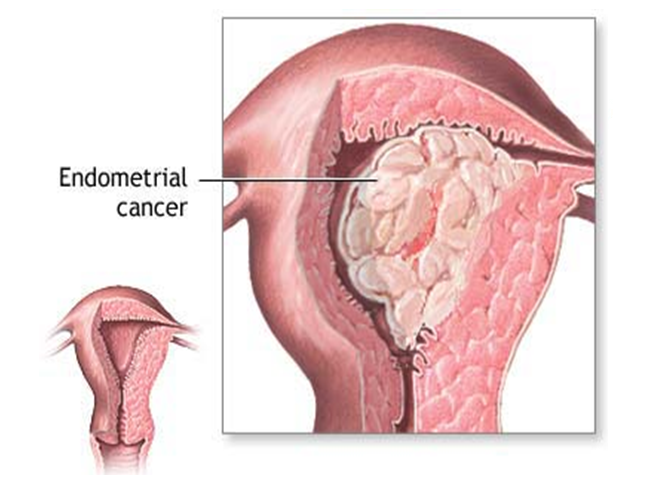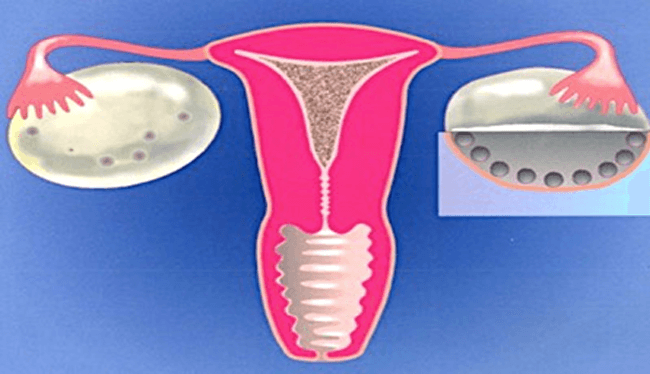
Finding polycystic ovaries on ultrasound can be normal, if there are no weight issues, abnormal menstruation or
infertility.
If such issues are present, then polycystic ovaries may indicate the presence of a metabolic condition called
Polycystic Ovarian Syndrome (PCOS).
PCOS is a common hormonal condition in women of reproductive age. It is often associated with infrequent and light menstrual flow, subfertility and a high body mass index. Women with PCOS tend to have higher Male Hormone and Luteinizing Hormone levels with varying degree of Insulin Resistance. The exact cause of PCOS is not known but there appears to be a family link.
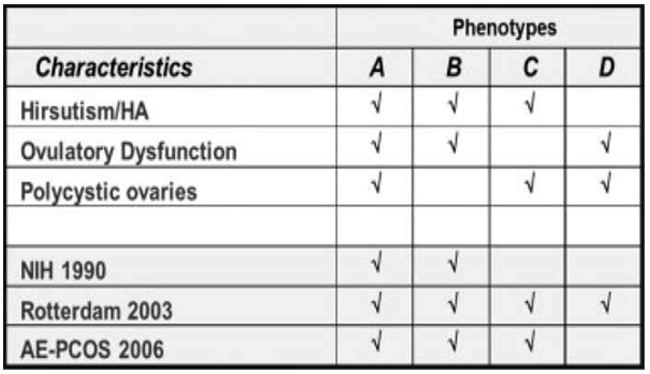
Women who have at least 2 of the 3 characteristics are considered to have PCOS:
60% of women with PCOS fall into phenotypes,or patient types A and B. Patient type C are PCOS with no ovulatory problems. Patient type D are PCOS with no male hormone features.


Consultant Obstetrician & Gynaecologist
Medical Director, ASC Clinic for Women
MMed (O&G) (S’pore)
FRCOG (UK)
MRANZCOG (Aust-NZ)
FAMS (S’pore)
Australasian Gynae Endoscopy Society Member
American Assoc Gynae Laparoscopy Member
Dr Anthony Siow is a Consultant Obstetrician & Gynaecologist with over 20 years of experience in the diagnosis and treatment of ovarian cysts, including assessment based on symptoms and imaging findings. He has a long-standing interest in minimally invasive ovarian cyst surgery, was awarded the Ministry of Health Scholarship for Advanced Laparoscopy in Australia, and performs laparoscopic and single incision laparoscopic surgery for selected ovarian cyst cases. As Medical Director of ASC Clinic for Women, he recommends ovarian cyst surgery only when clinically indicated.
 Top
Top